
Corvus MRDR™ Platform Capabilities Core Components The Corvus Platform Advantage Configurations Proven Pedigree EGL-I™ Defense → Request a Demo

Prove your autonomy
before you fly it.

Corvus MRDR™ is the robotics development and validation platform Tempest Droneworx™ built for itself — now available to universities, researchers, and commercial robotics teams. Develop, test, and validate your own autonomous systems in scalable simulation and mixed simulated/physical environments.

Runs production PX4 & ArduPilot Mixed simulated + physical NDAA/TAA-compliant options available
Proven on FAA BAA 4 Deployed at University of Houston USAF SBIR / STTR PX4 & ArduPilot ATAK Integration NDAA/TAA-compliant options available
Corvus MRDR™ · The platform
01 / 11
01
The platform

An engineering environment — not an autonomy framework.

You keep your own algorithms, mission logic, and robotics architecture. The Corvus Platform gives you the place to build them, break them, and prove them — with repeatable engineering instead of expensive, weather-dependent field days.

The Corvus Platform provides

  • The engineering environment to develop & validate autonomy
  • Realistic, repeatable simulation over real geography
  • Mixed simulated/physical operations with full telemetry

You keep

  • Your own algorithms & mission logic
  • Your control software & vehicle interfaces
  • Your robotics architecture — no rip-and-replace
02
Capabilities

Everything you need to engineer autonomy.

Mixed simulated & physical

Run simulated and real robots in the same mission. Swap one simulated vehicle for a real one, then two, then the whole fleet — de-risking every step from bench to field.

Heterogeneous fleets

Platform-agnostic by design. Different airframes, sensors, autopilots, and mission roles, cooperating inside a single mission regardless of vehicle type.

Production firmware

Corvus CROS™ executes real PX4 and ArduPilot firmware while accurately simulating vehicle behavior. You test exactly what you’ll fly — not an approximation of it.

Real-world coordinates

Simulate over real terrain, real infrastructure, and real airspace using actual geographic coordinates — so validation reflects the environment you’ll operate in.

Telemetry recording & replay

Every mission — simulated, physical, or mixed — is archived for engineering analysis, debugging, operator review, and after-action reporting.

Airspace awareness

Aggregate ADS-B, Remote ID, radar, and vehicle telemetry to test deconfliction, ground monitoring, and command-and-control workflows before they matter.

03
Corvus RAVN™ · The operating picture

See it in the real 3D operating picture.

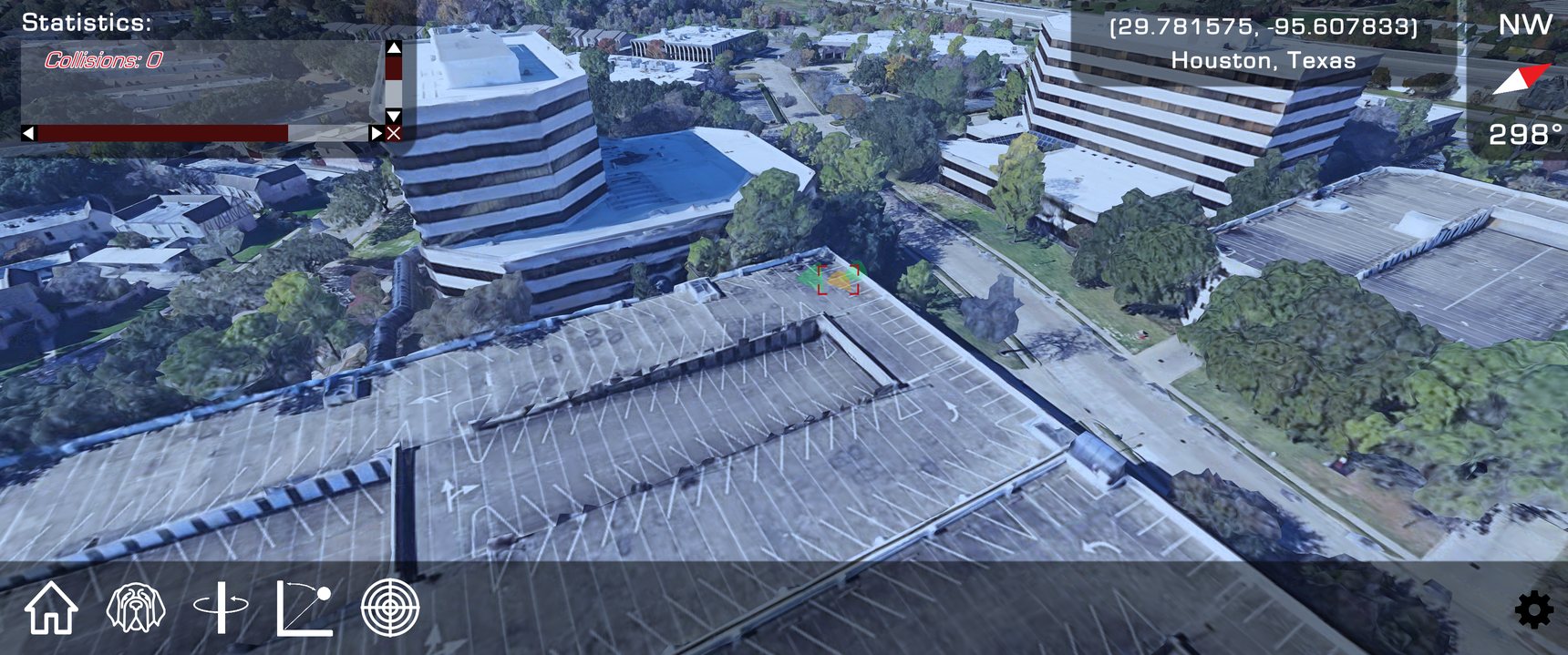
Corvus RAVN™ fuses Corvus CROS™ simulators, physical robots, ADS-B, Remote ID, and radar into one navigable environment — rendered over real-world terrain, with live telemetry on every asset.

Corvus RAVN™ — Real-Time 3D Common Operating PictureLive
Corvus RAVN™ real-time 3D operating picture: photorealistic 3D terrain over Houston, Texas, with live vehicle markers, coordinates, and heading.

Actual Corvus RAVN™ screenshot — a live 3D common operating picture over real-world terrain in Houston, Texas, with per-asset telemetry and airspace feeds in a single view.

Real-world 3D terrainLive vehicle telemetryMulti-source fusionAirspace deconflictionSimulated + physical
04
Core components

Four parts. One operating environment.

Corvus CROS™
Core Robotics Object Simulator

Simulates individual unmanned systems while executing production autopilot firmware. Interact with simulated vehicles exactly as you would physical ones.

Corvus RAVN™
Robotics Aggregation & Visualization Node

Fuses Corvus CROS™, physical robots, ADS-B, Remote ID, and radar into one contextual, real-time 3D operating environment.

Corvus RAVN™ Clients
Windows · Android · ATAK

Every stakeholder watches the same operation from their own viewpoint — simulated runs, live field tests, and archived replays alike — including remote sites on the same VPN.

Admin Panel
Firmware · Environment · Fleet

Switch each Corvus CROS™ between production firmware — PX4, ArduPilot, and more — shape the environment, and tune every drone’s parameters to your research, all from one place.

05
The Corvus Platform advantage

Test the real world — not just a computer.

Most test environments fake the hard parts. The Corvus Platform puts real radios, real bandwidth, and real airspace in the loop — so what passes here holds up in the field.

Real RF, not simulated links

Run actual radios instead of network sockets — so you test genuine RF interference, range, and link loss, not an idealized connection.

Real network conditions

Push real bandwidth, latency, and congestion through the loop, and prove your autonomy under the limits it will actually hit.

One fused 3D picture

Corvus RAVN™ unifies Corvus CROS™, physical robots, ADS-B, Remote ID, and radar into a single real-time 3D environment — not disconnected tools.

Safer field testing

That same live picture lets you monitor and manage airspace during field tests — so you validate and stay safe at once.

06
Configurations · Foundations

Start with a foundation.

Every Corvus MRDR™ system begins with a foundation platform — MRDR-1, or the MRDR-187 enterprise foundation with more Corvus CROS™ simulators packed into a single box.

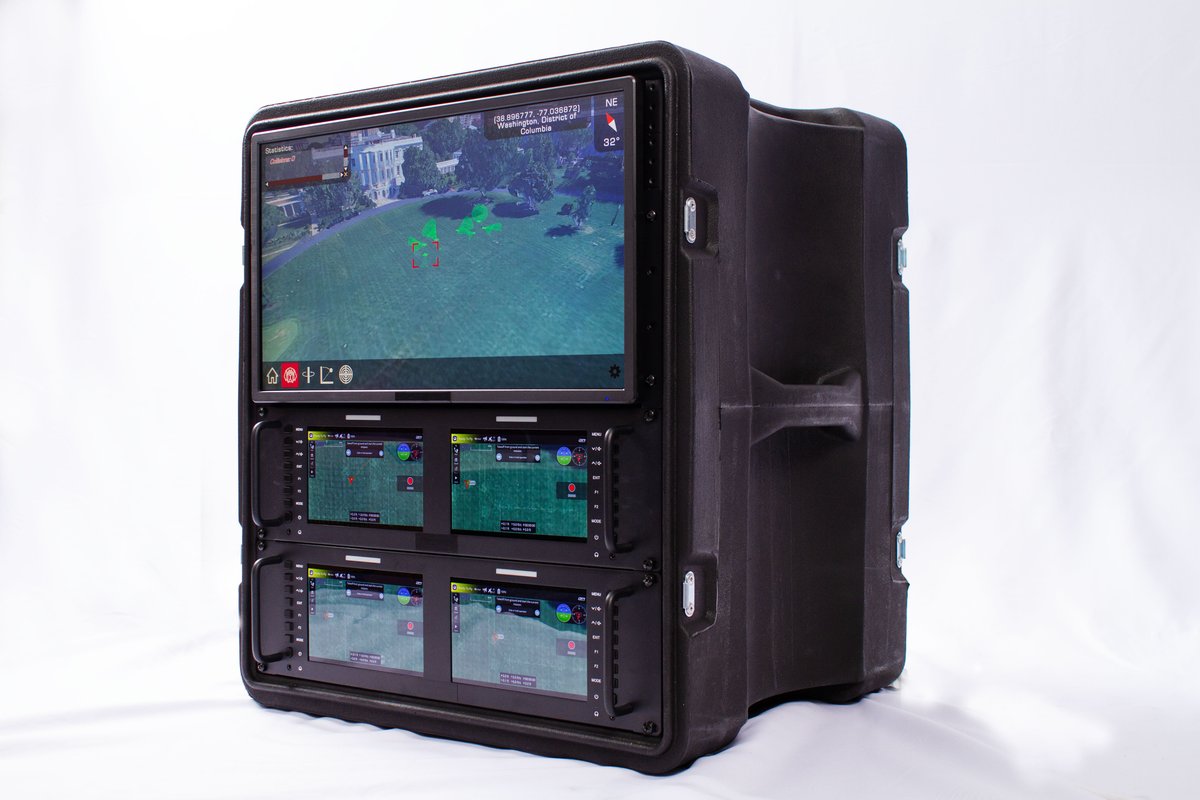
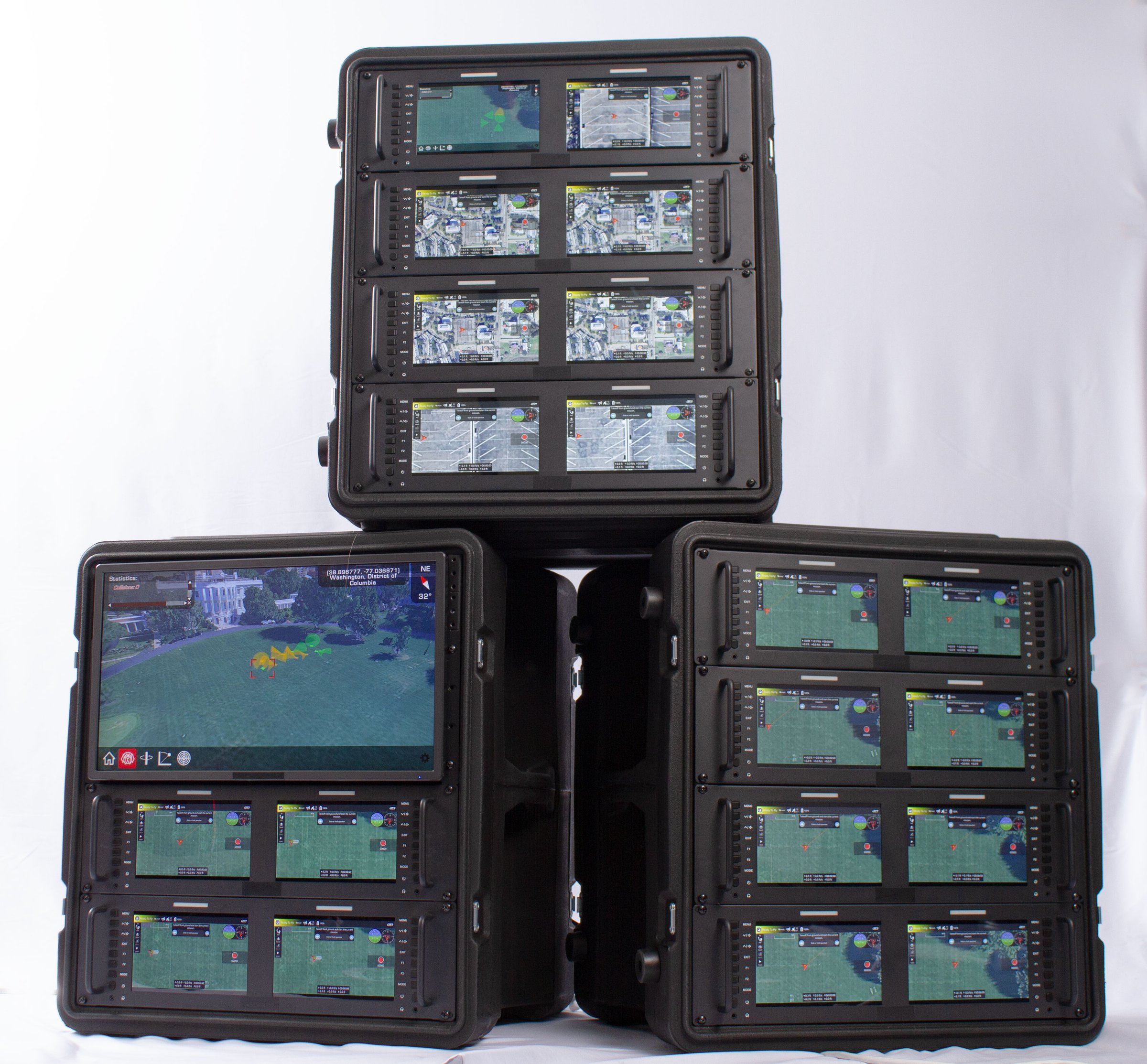
1Foundation Platform MRDR-1 Foundation — one Corvus RAVN™ server and four Corvus CROS™ simulators in a rugged transit case
MRDR-1

Foundation

The base platform — runs on its own.

  • 1 Corvus RAVN™ Server
  • 4 Corvus CROS™ Simulators
  • Corvus RAVN™ Client Software
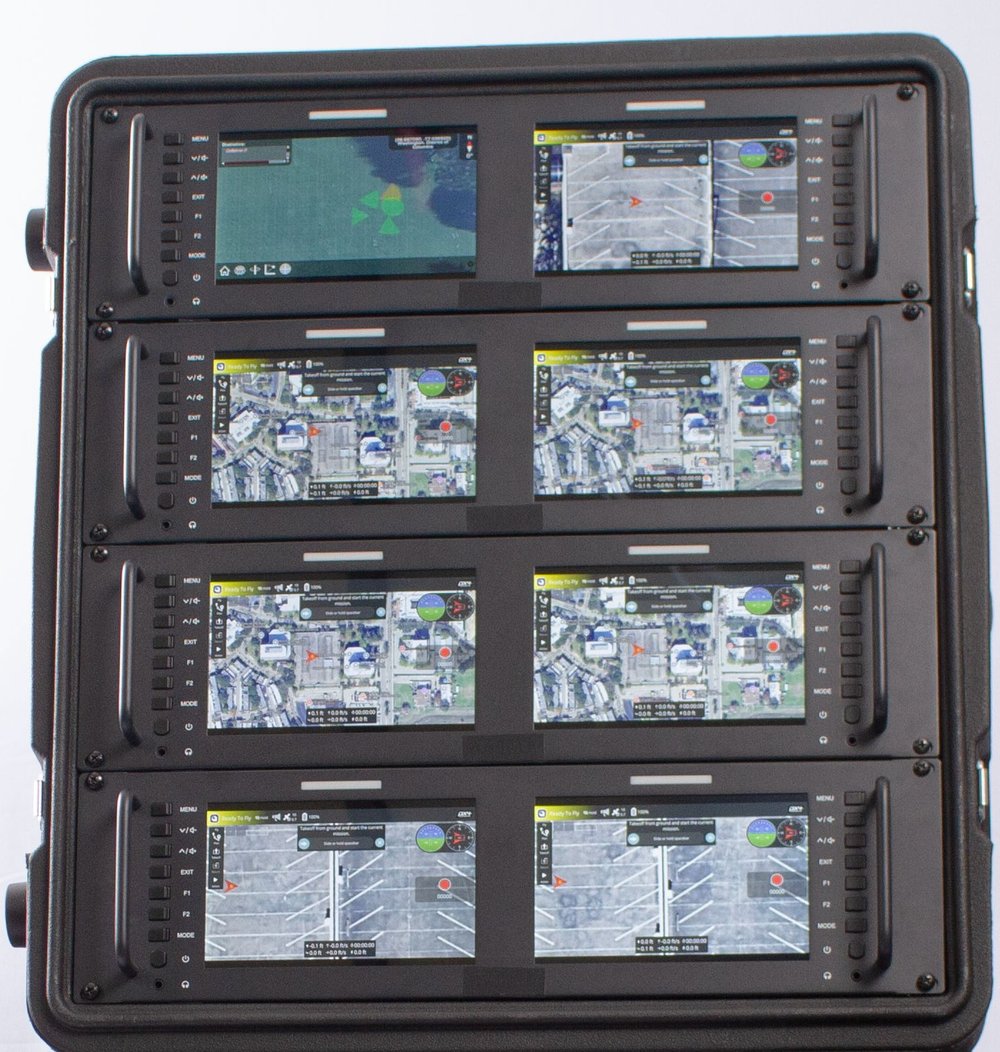
187Enterprise Foundation MRDR-187 — an enterprise foundation packing more Corvus CROS™ simulators into a single rugged case
MRDR-187

Enterprise Foundation

Same foundation, more Corvus CROS™ simulators in one box.

  • 1 Corvus RAVN™ Server
  • 7 Corvus CROS™ Simulators
  • Corvus RAVN™ Client Software
06
Configurations · Expansion

Then scale without limits.

Add MRDR-2 expansions onto any foundation to grow from a handful of simulators into the thousands — there’s no fixed software limit.

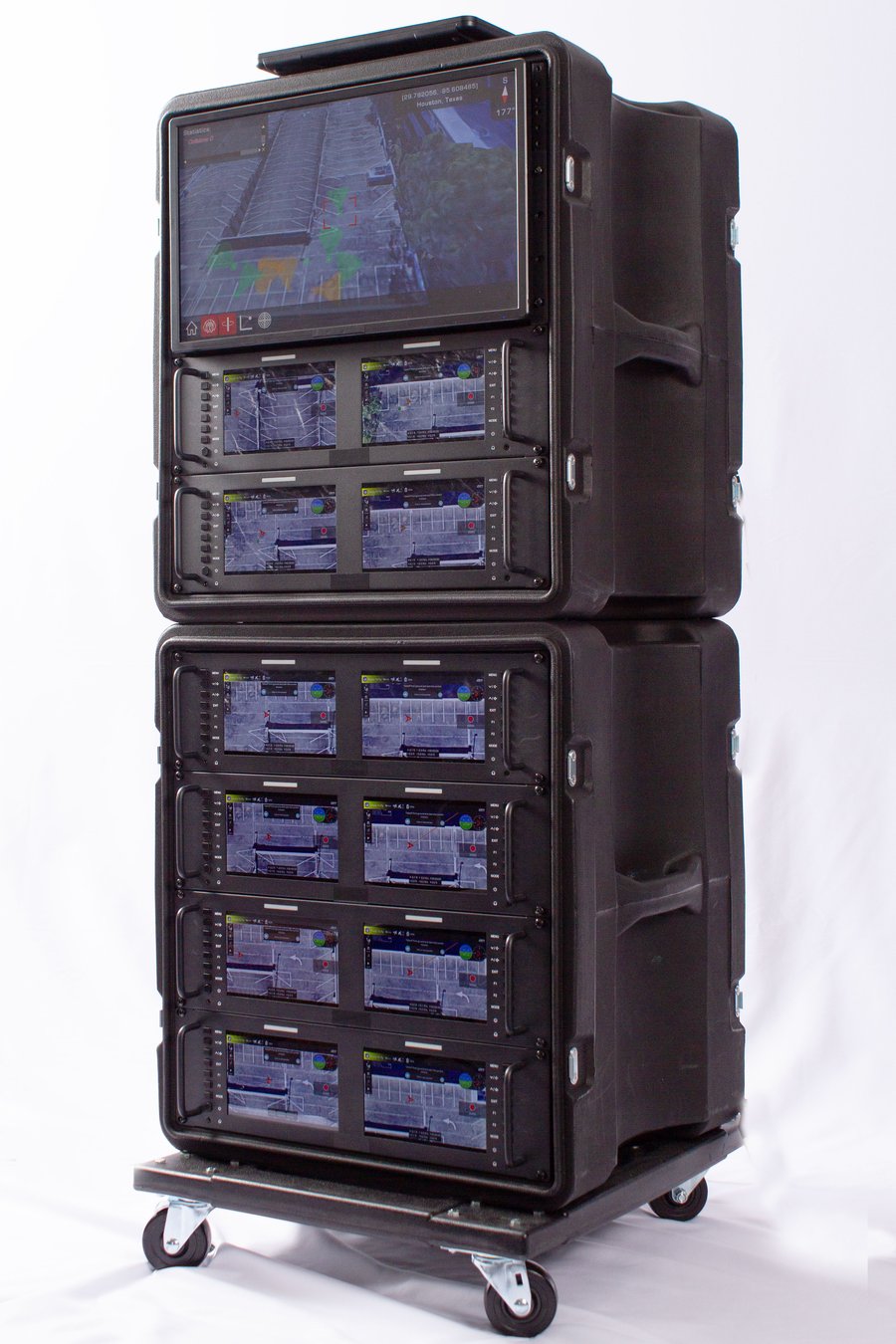
Stacks with a foundation An MRDR-2 expansion stacked beneath an MRDR-1 foundation on a rolling transit cart
MRDR-2 · Expansion

Scale on demand.

Stack MRDR-2 onto any foundation to add Corvus CROS™ simulators. Keep stacking — there’s no fixed software limit, so a fleet can grow into the thousands, bounded only by your network.

+2+4+6+8
Requires an MRDR-1 or MRDR-187 foundation. MRDR-2 is an expansion module — it adds capacity and does not operate on its own.
Commercial and NDAA/TAA-compliant hardware configurations available.
07
Corvus MRDR™ Pipeline · Beta

Early access to what’s next.

Corvus MRDR™ is expected to ship in October 2026 — pre-order now and your team can join the beta for early access to the features below.

On the roadmap

Corvus ROOK™ — mixed reality on Meta Quest

Corvus ROOK™ extends the platform into mixed reality for mission planning, FPV & counter-UAS training, and Red/Blue exercises — one of several capabilities opening up through the beta program.

ROS integrationsBrowser-Based Corvus RAVN™Weather simulationFPV / C-UAS trainingCorvus ROOK™ · VR / AR
08
Who it’s for

Built for the people who build what’s next.

Universities
Commercial Robotics
Robotics Startups
System Integrators
Research Labs
Public Safety
Agriculture
…and your team
09
Proven pedigree

Built for real programs. Proven on them.

FAA · BAA 4

One-to-Many C2

The Corvus Platform — then in its earliest form — served as Tempest’s internal engineering environment throughout the effort.

USAF · SBIR · STTR · TACFI

Multiple awards

Direct-to-Phase-II SBIR, STTR Phase I & II, and a TACFI — spanning airspace deconfliction, real-time 3D COP, and TAK integration.

University of Houston

Deployed on campus

The Corvus Platform supports robotics research and engineering in an academic environment.

Press & recognition

Featured & award-winning

Tempest has been featured on Military.com, nominated for InnovationMap’s Deep Tech innovation award, and recognized with multiple honors for our MOSA approach and innovation.

10
Get started

See Corvus MRDR™ in your lab.

Request a demo and we’ll walk your team through development, validation, and mixed-reality operations — mapped to your platforms and your research.

Skip to EGL-I™
The Tempest family

One family. Independent products.

Corvus MRDR™ runs entirely on its own — nothing else required. It’s one platform in the Tempest Droneworx™ family, each built for a different mission and each a complete, standalone product. For civilian, commercial, and public-safety operations, that platform is EGL-I™.

Environmental intelligence · Civilian & commercial

Your world, live and in 3D — not a wall of dashboards.

EGL-I™ — Environment, Growth, Logistics & Intelligence — is a real-time environmental intelligence platform. It aggregates satellites, cameras, drones, robots, IoT, and weather, air, water, and soil sensors into one interactive 3D Common Operational Picture — so you can see what’s happening, understand why, and know what to watch next, in time to prevent problems instead of reacting to them.

Wildfire prevention Smart cities Agriculture Critical infrastructure Utilities & energy

The civilian counterpart to Harbinger™. The same real-time, sensor-fusion architecture as our defense-grade platform — purpose-built for commercial, infrastructure, environmental, and public-safety operations. Vendor- and hardware-agnostic; deploy in the cloud or on-prem.

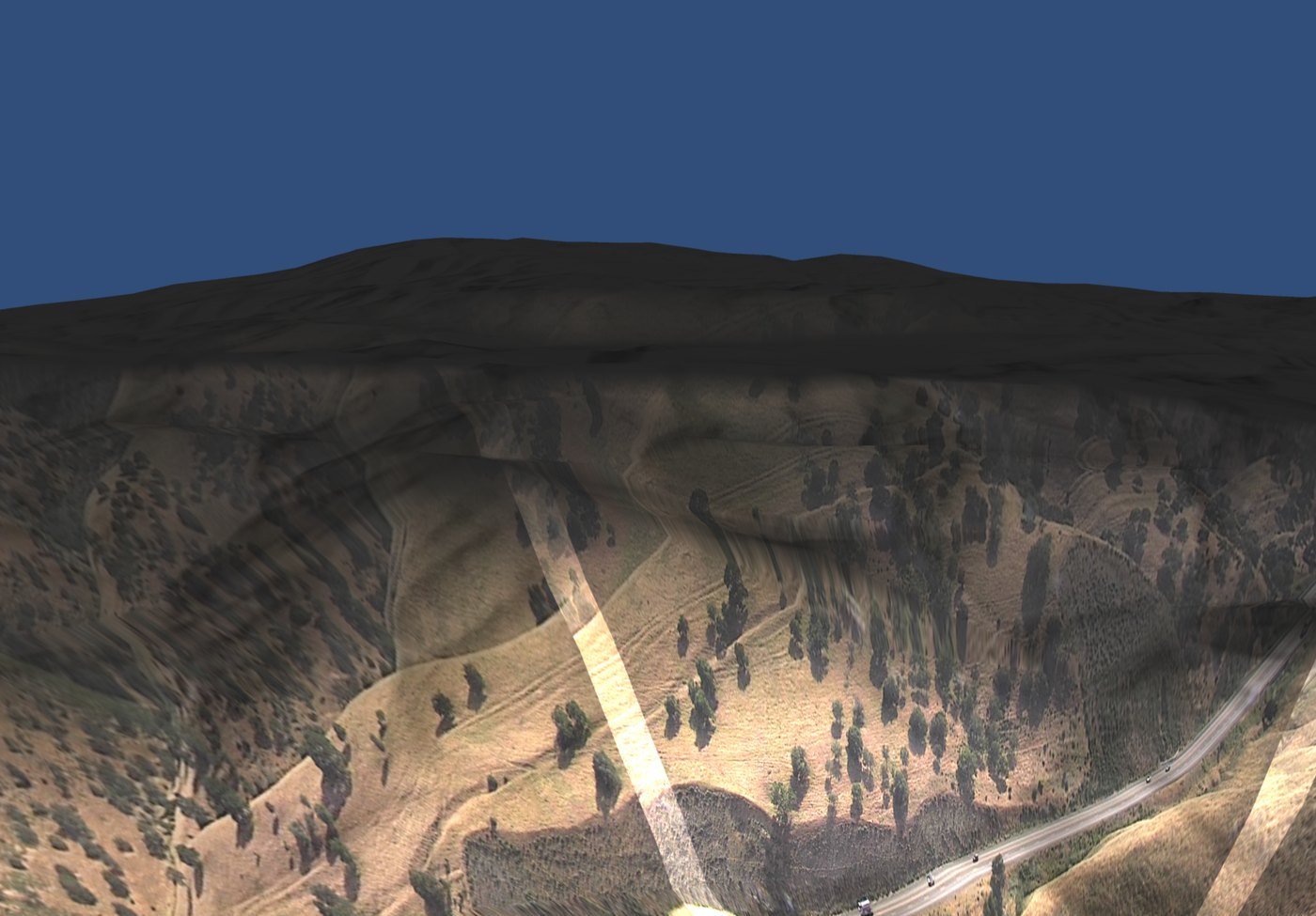
EGL-I™ rendering a live 3D contextual view of real terrain with camera fields-of-view and road traffic, integrating Wildfire Alert camera feeds Real-time 3D contextual view · Wildfire Alert feeds

Different missions, one philosophy — real-time insight that prevents issues from becoming serious problems.